Skin Font: A Handwritten Typeface That Elevates Brand Identity
There I was, sipping my morning coffee and staring at the latest product label design for a local skincare brand. It was time to refresh their packaging for the holiday season, and they were looking for something that felt warm, inviting, and high-end. We had tried several fonts before—some too formal, others too playful—but none captured the balance we were after. Then I found Skin, a flowing handwritten font with an elegant touch that immediately made the project feel more polished and intentional.
As a creative consultant who often works with small businesses, I know how powerful typography can be. Fonts aren’t just about making text look nice—they’re about setting the tone, building trust, and creating a visual identity that customers remember. Skin has quickly become one of my go-to typefaces when clients want to add a human, personal, and refined feel to their branding materials.
What Makes Skin Stand Out?
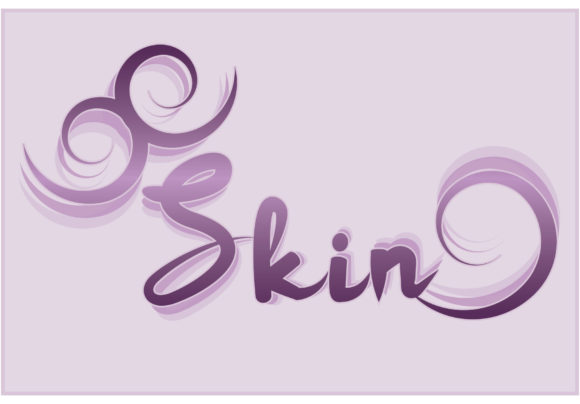
Skin is a script-style handwritten font, but it doesn’t fall into the trap of being overly ornate or hard to read. Its curves are smooth, its letterforms are balanced, and it carries a timeless quality that feels both modern and classic. There’s a subtle sophistication in the way each character flows into the next, which makes it ideal for projects where you want to evoke warmth without sacrificing professionalism.
The personality of Skin leans toward elegance and approachability. It’s not trying too hard to impress—it simply does. This makes it perfect for brands that want to communicate authenticity, creativity, and care in their visuals. Whether you're designing a luxury candle jar or a cozy café menu, Skin adds a soft yet confident voice to your brand story.
Real-World Applications for Small Businesses
I’ve used Skin on a variety of real customer-facing materials over the past few months, and it consistently delivers results. Here are some of the most effective uses I've tested:
- Logo Design: Skin works beautifully as a primary logo typeface. For a boutique that wanted a new tagline on their storefront signage, we paired Skin with a minimalist sans serif. The contrast gave the logo depth and character while keeping it legible from a distance.
- Product Labels: On a skincare line's new product labels, Skin added a gentle, artisanal vibe that matched the brand’s natural ingredients and handcrafted process. It didn’t distract from the imagery or other details but instead complemented them perfectly.
- Menus and Flyers: At a café undergoing a rebrand, we updated their menu using Skin for headings and key phrases. It created a welcoming atmosphere and helped highlight special items like seasonal drinks and desserts.
- Social Media Templates: An online shop selling handmade candles loved how Skin looked on their Instagram promotion templates. It gave their posts a cohesive, curated aesthetic that aligned with their brand values and attracted more engagement.
- Thank-You Cards and Stickers: For a small business client who sells custom stickers, Skin brought a personal touch to thank-you cards and limited edition releases. It made each piece feel like a love letter rather than a generic note.
When to Use Skin
Skin shines brightest when used for display text—think headlines, titles, logos, or short phrases. Because it’s a script font, it’s best suited for larger sizes where the flow and detail can be appreciated. Using it for long paragraphs or body text isn’t recommended unless you pair it carefully with another font and keep it to accents or highlights.
I’ve seen it work well in:
- Banner headlines on e-commerce websites
- Hero sections of landing pages
- Labels for premium products
- Instagram post headers and promotional graphics
- Business card greetings and taglines
Making Typography Work for You
Typography affects first impressions more than many realize. When you choose the right typeface, you’re not just choosing how words look—you're shaping how customers perceive your brand. Skin brings a sense of craftsmanship and intentionality to any design. It tells a story before anyone even reads the words.
Readability is key, especially when working with smaller labels or mobile screens. While Skin is a decorative accent font, it still maintains enough clarity to be legible in print and digital formats if sized appropriately. I recommend testing it on thumbnails, printed mockups, and shop visuals before finalizing anything to ensure it performs well across all mediums.
Font Pairing Tips for Maximum Impact
One of the strengths of Skin is its ability to harmonize with other fonts. It pairs especially well with clean sans serif fonts for a modern contrast or with elegant serif fonts for a more traditional, luxurious feel. I’ve also successfully used it alongside other script and handwritten fonts to build a layered, dynamic typographic palette for editorial design or branding kits.
Here are a few practical pairing ideas:
- Clean Sans Serif: Think Helvetica Neue or Lato for a fresh, minimal backdrop to Skin’s organic style.
- Elegant Serif: Combine with Georgia or Playfair Display for a sophisticated, classic layout.
- Modern Script: Try pairing Skin with another script font that has slightly different rhythm and spacing for a curated look.
- Monospaced Typefaces: Especially useful for code snippets or pricing tags, these can ground Skin in a more technical context.
Always consider the mood you want to set. If you're aiming for something romantic and artistic, Skin fits right in. But if your brand is bold and direct, it might need a bolder companion to balance it out.
Design Consistency and Brand Recognition
Consistency is everything in branding. Even the smallest elements, like the font you use on a thank-you note or a social media caption, contribute to your overall brand perception. Skin helps maintain this consistency by offering a unique yet versatile style that can be adapted across multiple platforms.
I worked with a beauty brand recently that was struggling with inconsistent visuals. Their website banner used a different font than their product boxes, and their social media lacked a unified style. By introducing Skin as their signature typeface for key messaging and pairing it with a supporting font throughout the rest of their assets, they saw a noticeable improvement in brand recognition and customer trust.
Practical Considerations Before Buying
Before committing to Skin for your branding needs, take a moment to review what comes with it. Check the included styles, file formats, and whether there are alternates or ligatures available. These little features can make a big difference in how adaptable the font is for different uses.
Also, consider multilingual support if your brand operates internationally or caters to diverse audiences. And don’t forget to verify the commercial licensing terms. Many free fonts have restrictions, so it's important to ensure Skin is suitable for your specific needs—whether you're printing physical products or creating digital downloads for resale.
Script Amp offers Skin as part of its collection of high-quality fonts, and I’ve always been impressed with the attention to detail and usability of their typefaces. They understand that small businesses need reliable, professional-grade design assets without the hassle of complicated tools or licenses.
A Personal Touch Without Overdoing It
Handwritten fonts can sometimes come off as too casual or unprofessional. Skin avoids this by maintaining a structured yet fluid appearance. It’s like the handwritten font version of a tailored suit—flattering, refined, and just right.
For entrepreneurs who are passionate about their craft, Skin adds a layer of personality that aligns with the handmade, heart-led nature of their business. Whether you're a baker updating your product boxes or a candlemaker redesigning your gift tags, Skin can help you create a more memorable and trustworthy brand presence.
In the end, choosing Skin wasn’t just about finding a pretty font. It was about finding a tool that could help tell a better brand story—one that resonates with customers and stands out in a crowded market. And for that, it deserves a place in every small business owner’s design toolkit.